
 by spencer k
Your FBA capacity limit for Q4 is smaller than what you actually need, and Seller Central just pointed you toward Amazon’s Capacity Manager to bid for more room. Before you enter a number, it’s worth understanding what you’re actually paying for — because for a lot of sellers, the honest answer is that some of that inventory doesn’t belong in a fulfillment center at all, no matter how much you’re willing to bid for the space to keep it there.
What Amazon’s Capacity Manager actually does
Capacity Manager is the tool Amazon rolled out alongside its shift to monthly FBA capacity limits: instead of a flat quarterly storage allotment, your capacity now moves month to month, and when your base limit isn’t enough, it lets you request more. You set a reservation fee per cubic foot you’re willing to pay, Amazon grants the highest bids first, and — assuming space is available — you typically get the extra capacity within 48 to 72 hours.
It’s a real fix for a real problem if you’re short on space for inventory that’s about to sell. It is not a storage subsidy, and it’s not designed to let you sit on units indefinitely.
What the reservation fee costs, and how credits offset it
The fee itself is a per-cubic-foot charge you set when you submit your bid — there’s no fixed public rate, since it works as an auction where sellers compete for limited space. What Amazon does publish is the offset mechanism: as units tied to that extra capacity sell, you earn performance credits, and those credits can cover up to 100% of the reservation fee. In theory, if everything you stored in the extra space sells through at a normal clip, the extra capacity costs you close to nothing.
That “in theory” is doing a lot of work, and it’s the part sellers tend to skip past when they’re just trying to get a shipment approved.
The catch: credits are tied to sales, not to storage
Performance credits only offset the fee if the inventory in that reserved space actually moves. If you’re requesting extra capacity to make room for a fast-selling core SKU, that’s a reasonable bet — the credits should show up. If you’re requesting extra capacity because you don’t want to deal with a batch of slow-moving units that have been sitting since spring, you’re making a very different bet: you’re paying a reservation fee on inventory that, by definition, hasn’t been selling well enough to fit in your base allocation to begin with.
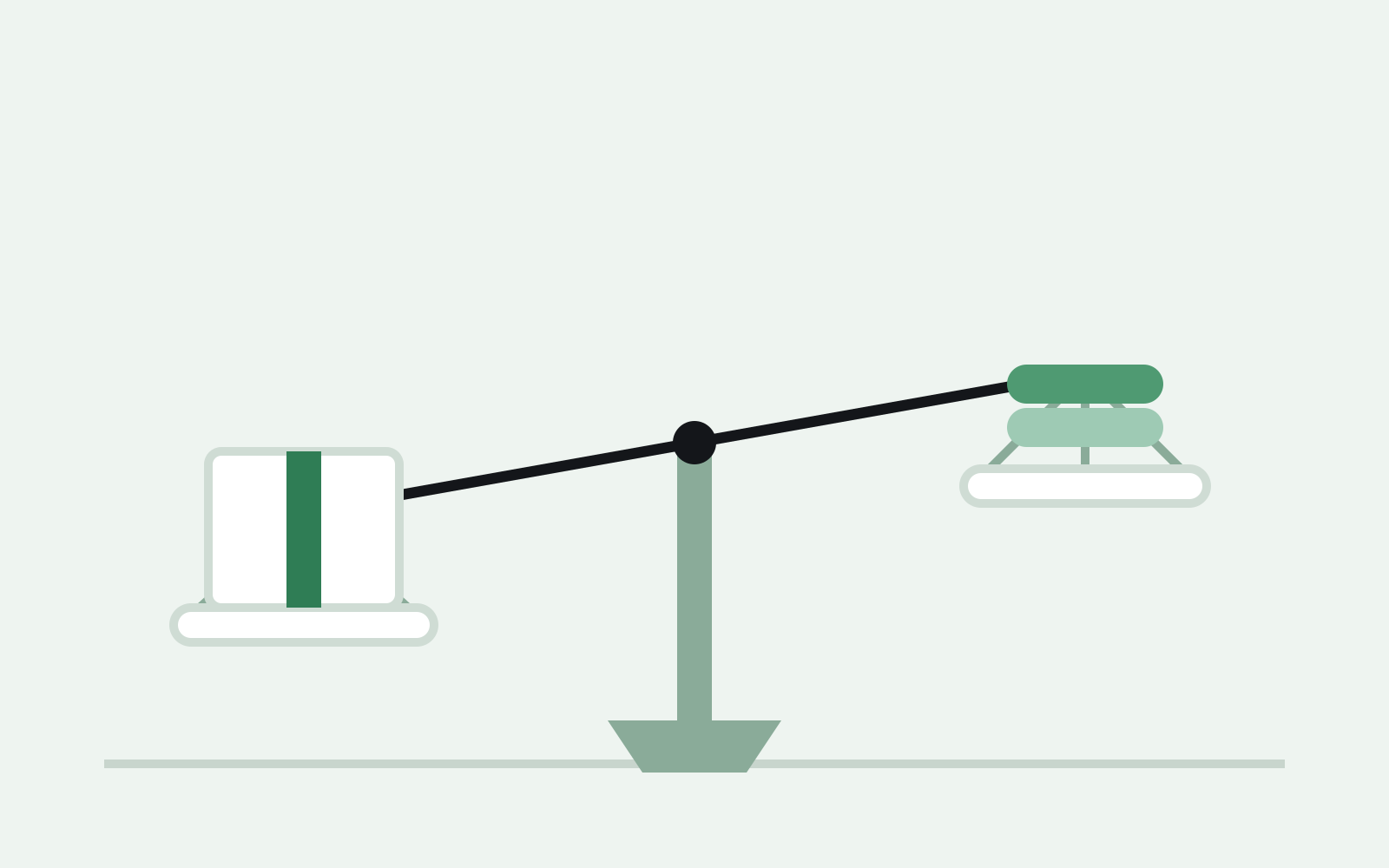
Run the math before you bid. Take your reservation fee per cubic foot, multiply it by how much space the slow SKUs occupy, and compare that to what you’d actually recover if you moved those units out — through a markdown, a removal, or selling the lot in bulk. If the honest sell-through estimate on those units doesn’t clear the fee, you’re not solving your capacity problem. You’re paying rent on it.
How much extra space you can actually request
This capacity boost isn’t unlimited. Requests are generally capped at 20% above your base storage limit or 2,000 cubic feet, whichever is greater, and you can submit up to five requests a month. Across those requests, the total extra capacity you can hold caps out at roughly 25% above your base limit or 2,500 cubic feet, whichever is greater. That ceiling matters if you’re already running tight — bidding for space won’t get you out of a capacity crunch that’s bigger than a 25% gap. At that point you need to free up space, not rent more of it, and no amount of bidding closes that gap on its own.
When bidding for space makes sense
This option earns its keep when the shortfall is temporary and the inventory behind it is proven. A core SKU heading into its best-selling weeks, a promotional push you’ve already committed ad spend to, a restock that’s arriving faster than your current limit can absorb — those are cases where a reservation fee is just the cost of not missing sales you’d otherwise leave on the table. If your sell-through history backs the bet, the credits will likely follow.
Say a fast-moving SKU needs an extra 500 cubic feet through peak season. If the reservation fee works out to a modest per-cubic-foot rate and the units sell at their usual pace, the credits you earn largely wash out the fee — you’ve effectively paid nothing for space that let you avoid a stockout during your best-selling weeks. That’s the scenario this feature is built for. Run the same math on a pallet of units that hasn’t sold in four months, and the credits don’t materialize, because there’s nothing selling to generate them.
When it’s better to liquidate before you bid
The calculation flips for anything you’d describe as “still worth something, just not moving.” Discontinued variants, a bulk buy that undersold, units that missed their season — this is the same inventory that tends to trip restock limits and rack up long-term storage charges even without a reservation-fee bid on top. Adding a reservation fee to space you’re not confident will turn over just compounds a cost you were already paying in storage fees, tied-up cash, and account health risk.
In that situation, the better move is usually to clear the inventory before Q4 space gets tighter, not to pay more to keep holding it. Selling the lot in bulk gets you a lump sum now, frees the capacity for SKUs that actually sell, and takes the units off your books before peak season storage rates and surcharges stack on top of everything else. Get an instant quote from Recouply and see what your excess inventory is actually worth before you decide whether it’s worth paying to store.
FAQ: bidding for extra FBA space
Does Capacity Manager cost money if my inventory doesn’t sell?
Yes. The reservation fee is charged for the extra capacity itself, and performance credits only offset it as units sell. If the inventory in that space sits, you’ve paid for storage room without the credits to cover it — on top of whatever standard storage fees already apply.
How is Capacity Manager different from my base FBA storage limit?
Your base limit is the monthly capacity Amazon allocates to your account automatically, largely based on your sales history and account metrics. Capacity Manager is an on-demand add-on you bid for when that base limit isn’t enough, capped at roughly 20–25% above your base allocation depending on how many requests you stack.
Should I use Capacity Manager or just remove slow-moving inventory?
It depends on whether the inventory in question is likely to sell. For proven, fast-moving SKUs, bidding for extra space is often worth it. For units that have been sitting for months with no clear sales path, removing or liquidating them typically does more for your margin than paying a reservation fee to keep storing them.