 by spencer k
You sent in a restock, checked the FBA fee preview, and saw a placement charge that didn’t used to be there — or that’s noticeably bigger than last time. You’re not misreading it. The Amazon inbound placement fee got more expensive at the start of 2026, and if you ship most of your inventory to a single fulfillment center to keep things simple, you’re paying more for that convenience than you were a year ago. If you’re also sitting on units from a previous restock that still haven’t sold through, this fee is worth understanding before your next shipment, because it changes the math on how much slow-moving stock actually costs you to carry.
What the Amazon inbound placement fee actually is
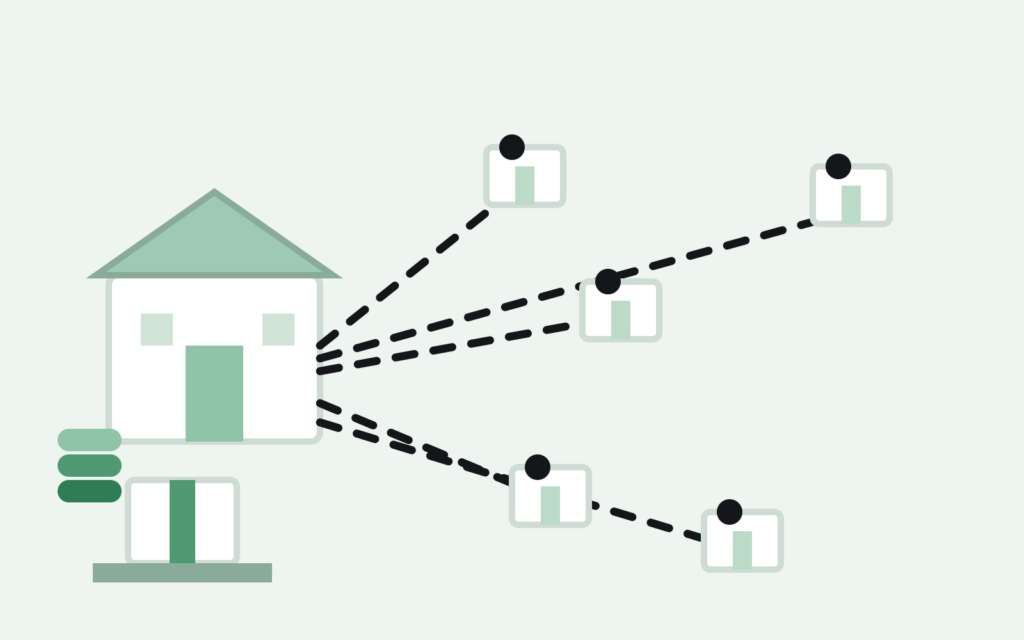
The inbound placement fee is what Amazon charges to take your shipment and spread it across its fulfillment network so units are close to the customers who order them. You choose how that happens at the point of creating a shipping plan. Send everything to one or two fulfillment centers — a “minimal split” — and Amazon does the redistribution work for you, for a per-unit fee. Split the shipment yourself across several fulfillment centers, or use a service that does it for you, and the fee drops, often to zero once you hit enough destinations.
It’s a real cost either way. The question is whether you pay it in dollars per unit, or in the labor and freight cost of splitting shipments yourself.
Why the fee jumped in 2026
Amazon restructured inbound placement pricing along with its broader FBA fee schedule effective mid-January 2026, adding more weight and size tiers and raising minimal-split rates in several of them — standard-size items in the roughly 3–20 lb range saw some of the larger increases, and the new Large Bulky tier moved up more than that. As of recent fee schedules, minimal-split placement on a standard-size item runs somewhere in the range of a few dimes to a bit under a dollar per unit, and considerably more for oversized or bulky products, though the exact number depends on your specific weight tier and destination count. Pull your own current rate card from Seller Central before you plan around any of these figures — they’ve moved more than once in the last year and they’ll likely move again.
The bigger shift is philosophical, not just numeric: Amazon is charging more clearly for the convenience of not managing your own distribution, and rewarding sellers who spread shipments across more fulfillment centers, either through Amazon Warehousing and Distribution or a 3PL that splits freight for you.
Why this matters more than it looks like it does
A placement fee of even a few tens of cents per unit doesn’t sound like much next to your product’s sale price. But it’s not a one-time cost you shrug off — it’s added to the landed cost of every single unit in that shipment, whether that unit sells in a week or sits for six months. And that’s the part that actually matters if you’re the kind of seller who over-orders periodically, or who’s still working through a restock that didn’t move as fast as forecast.
Think about what a placement fee does to a unit that ends up not selling well. You’ve already paid the referral fee’s cousin before a single sale happens. If that unit then sits long enough to trigger aged inventory surcharges, you’re stacking a placement cost on top of a storage cost on top of a surcharge, all before you’ve recovered a dime. The placement fee doesn’t cause excess inventory, but it does raise the floor under what “cutting your losses early” is worth, because every week of delay is now compounding on a higher starting cost basis than it used to.
How restocks quietly turn into overstock
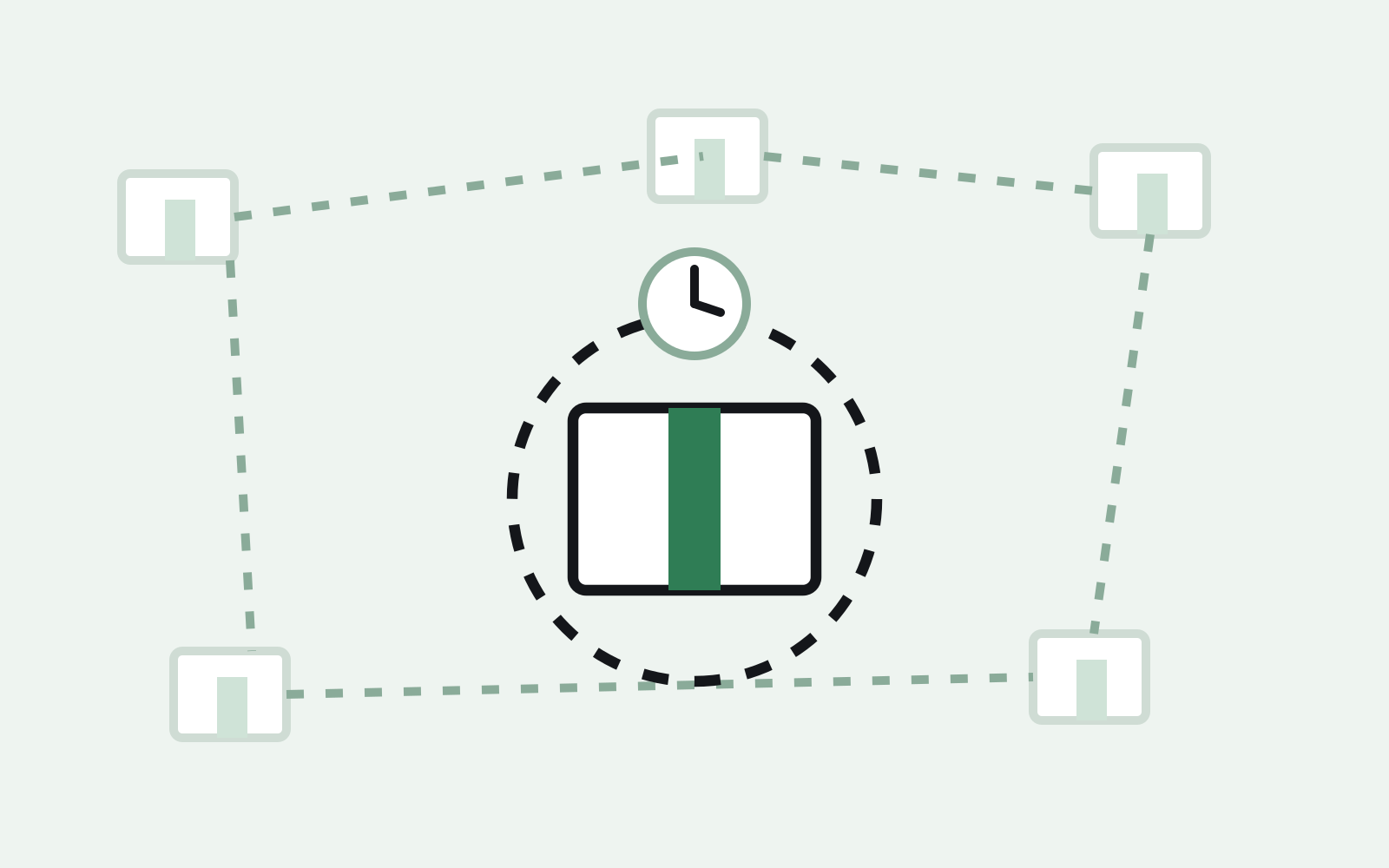
Here’s a pattern that shows up a lot: a seller reads about the placement fee increase, decides to chase the zero-fee optimized split, and signs up for AWD or a 3PL that spreads inventory across five or more fulfillment centers. That’s often the right move for a SKU that’s actually selling well — the fee savings are real at volume. But it doesn’t fix anything for a SKU that was already moving slowly. Splitting a stalled item across more warehouses just means it’s now stranded in smaller, harder-to-consolidate quantities in more places, instead of sitting in one place where at least you could see the whole problem at once.
Optimizing placement fees is a tactic for inventory you’re confident will sell. It’s not a fix for inventory you’re not sure about, and treating it like one can leave you with the same slow-moving stock, now scattered across the country and more annoying to pull back if you eventually decide you need to.
When to stop optimizing the fee and start clearing the stock
If you’re spending real time figuring out how to route shipments to avoid a placement fee on units you’re honestly not sure will sell through this quarter, that’s usually a sign the conversation you should be having isn’t about placement at all. It’s the same conversation covered in our piece on cutting storage costs before Q4: at some point, the fee optimization effort costs more in time and complexity than just moving the inventory out the door.
The rough test is simple. If a SKU is selling at a pace that clears it out within a normal restock cycle, spend the effort on placement optimization — it pays for itself. If a SKU has been sitting for months, missed its season, or needs repeated markdowns to move at all, no amount of split-shipment cleverness changes the underlying problem. That inventory is a candidate for liquidation, not logistics engineering.
Selling the lot instead of managing the fee
One advantage of selling slow inventory in bulk rather than continuing to fight placement and storage fees unit by unit: a buyer who takes the whole lot removes the SKU from your FBA footprint entirely, which means no more placement fees, no more storage fees, and no more aged-inventory surcharges on those units, starting the day the sale closes. You’re not optimizing a cost anymore — you’re eliminating it. We’ve written before about how to raise your recovery rate when liquidating inventory, and the same prep work — clean condition notes, an accurate count — applies whether you’re clearing one stalled SKU or a whole quarter’s worth of restocks that didn’t pan out.
If you’ve got restock inventory that’s turned into dead weight, get an instant quote on the lot and see what it’s worth moved out all at once, rather than continuing to pay to keep it in place.
Frequently asked questions
What is Amazon’s inbound placement fee?
It’s the per-unit charge Amazon applies when you ship a restock to one or a small number of fulfillment centers and let Amazon redistribute the inventory across its network on your behalf. The fee varies by product size tier, weight, and how many destinations your shipment covers.
How do I avoid the inbound placement fee?
Split your shipment across enough fulfillment center destinations yourself, either manually or through a service like Amazon Warehousing and Distribution or a 3PL that handles multi-destination freight, and the fee typically drops toward zero. It generally only makes sense to do this for SKUs you’re confident will sell through at volume.
Does the placement fee apply if I liquidate the inventory instead?
No. Once a lot is sold and removed from your FBA footprint, it’s no longer subject to inbound placement fees, storage fees, or aged-inventory surcharges, since those all apply to inventory that’s actively stored in Amazon’s network.