
By the time you’re searching for a liquidator, you’ve usually already eaten the hard loss: the product didn’t sell. What’s left is a recovery problem, and the difference between a good liquidation partner and a bad one is routinely 2–3x on the money you actually receive, and sometimes the difference between getting paid and chasing someone for months.
The market is genuinely mixed. There are professional buyers who price fairly, move fast, and pay on the count. There are brokers who shop your lot around and take a spread. And there are consignment operations dressed up as buyers, where “we’ll pay you as it sells” quietly means your inventory is gone and your money is theoretical. Here’s how to tell them apart before anything leaves your dock.
First, know what you’re talking to
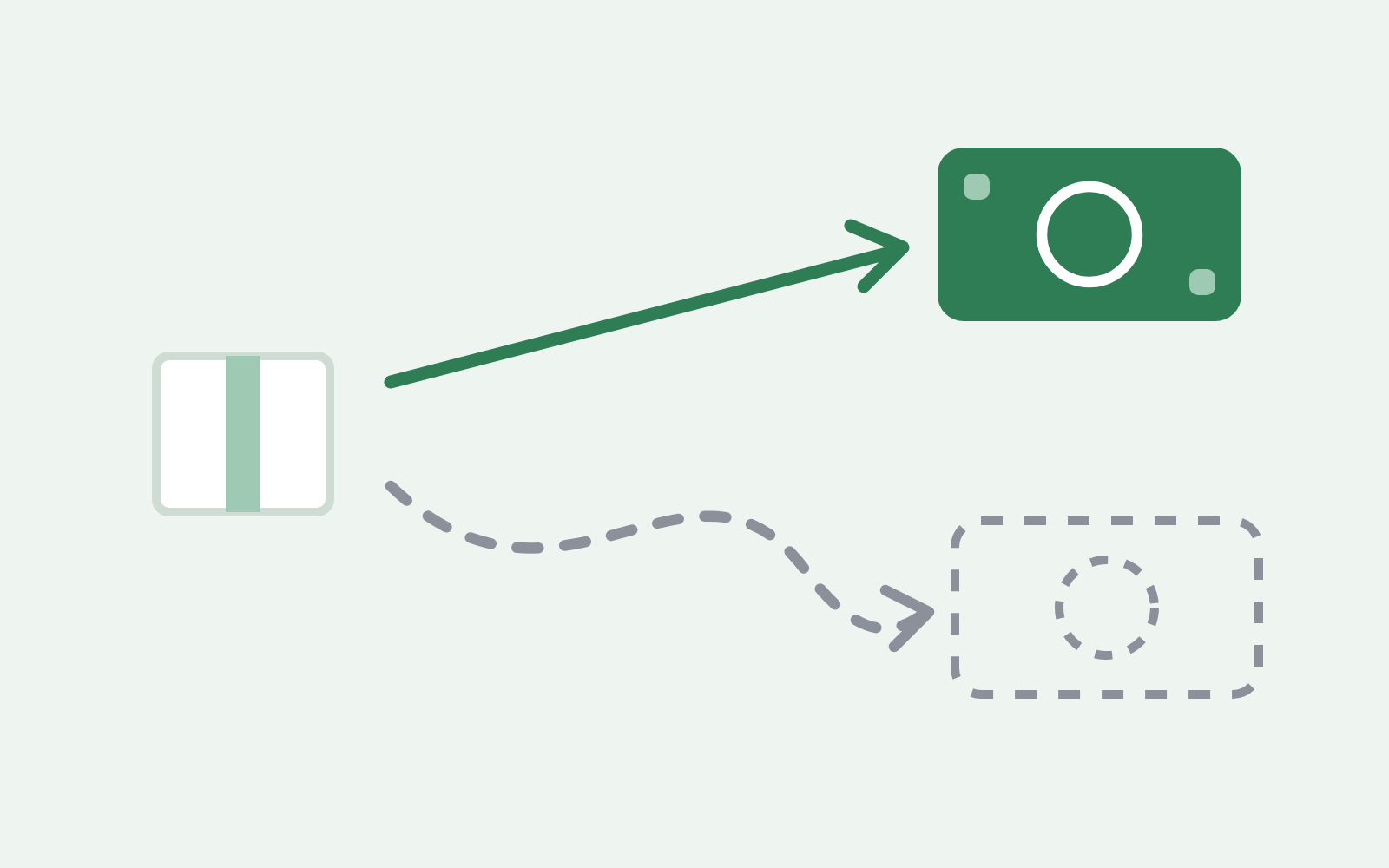
A buyer purchases your inventory outright. They take title, they take the resale risk, and your payment doesn’t depend on what happens to the goods afterward.
A broker finds a buyer and takes a cut. Not inherently bad, but you’re adding a middleman’s margin and a middleman’s timeline.
A consignment operation sells on your behalf and pays you a percentage of realized sales, minus fees. Your recovery is unknowable in advance and your inventory is out of your control while you wait.
None of these labels appear on anyone’s website, so you establish which one you’re dealing with by asking the questions below.
The nine checks
1. Do they make a firm offer in writing?
A real buyer gives you a number: a price for the lot or per unit, in writing, before you ship. “We’ll see what we can get for it” is consignment, whatever the website says.
2. When exactly do you get paid?
The professional answer is payment in full when the inventory is received and counted. Payment “as it sells,” in installments tied to their resale, or after an undefined “processing period” moves the resale risk back onto you, which is the thing you were trying to sell off.
3. Do you get a count sheet?
Shipments arrive short all the time; FBA removals are notorious for it. A serious buyer counts what arrives and shows you the line-by-line reconciliation, so the number you’re paid on is a number you can verify.
4. How do they price?
You want to hear something concrete: recent sold comps, current resale demand, condition adjustments. A buyer who can’t explain their number is either guessing or anchoring you low. It’s also a preview of the recount conversation later.
5. Will they protect your brand and channels?
If you sell under your own brand or manage MAP, ask where the goods will resurface. Good buyers can keep your brand off listings and route inventory away from the channels you sell on. If the answer is a shrug, expect to compete with your own liquidated stock next quarter.
6. Who handles freight, and who pays for it?
Get it in writing: who books the truck, who pays, and whether “free pickup” is actually a deduction hiding in the offer. The clean version is a delivered or picked-up price where the logistics are the buyer’s problem.
7. What do they need from you to quote?
A competent buyer asks for a manifest or listing data, condition, and location, and then quotes quickly. One that quotes any lot sight-unseen without data is pricing in maximum uncertainty, which means pricing you at the bottom.
8. Are there fees anywhere in the deal?
Processing fees, restocking fees, disposal fees for “unsellable” units, deductions decided after arrival. Ask directly: “Is the offer the amount that lands in my account?” The right answer is one word.
9. Can you find them?
A real company has an address, a phone number a human answers, and some history you can check. You’re about to ship goods to a stranger on a promise; verify the stranger exists.
Red flags that end the conversation
- Payment contingent on their resale results, presented as normal;
- Pressure to ship before anything is in writing;
- An offer that drops sharply after arrival, with no count sheet to justify it;
- No physical address, no phone, communication only through a form;
- Vagueness about fees, freight, or timing that survives a direct question.
Copy-paste vetting email
Send this to any liquidator you’re considering and the replies will sort them fast:
Before we go further, can you confirm: (1) Do you purchase inventory outright with a firm offer before I ship? (2) When is payment made, and is it contingent on your resale? (3) Do I receive a count sheet for the received units? (4) Who arranges and pays for freight? (5) Are there any fees or deductions not reflected in the offer? (6) Can you keep my brand off resale listings?
Anyone worth working with answers all six in one reply without flinching. Once you’ve picked a buyer, the remaining leverage is in how you prepare the lot; that’s covered in our guide to getting top dollar for liquidated inventory.
And yes, we’re a buyer, so grade us with the same list: firm offer the same business day, payment in full on the counted lot, line-by-line count sheet, pickup coordinated wherever the inventory sits, no fees, brand kept off listings by default. If you want to test it, an instant estimate takes about a minute.