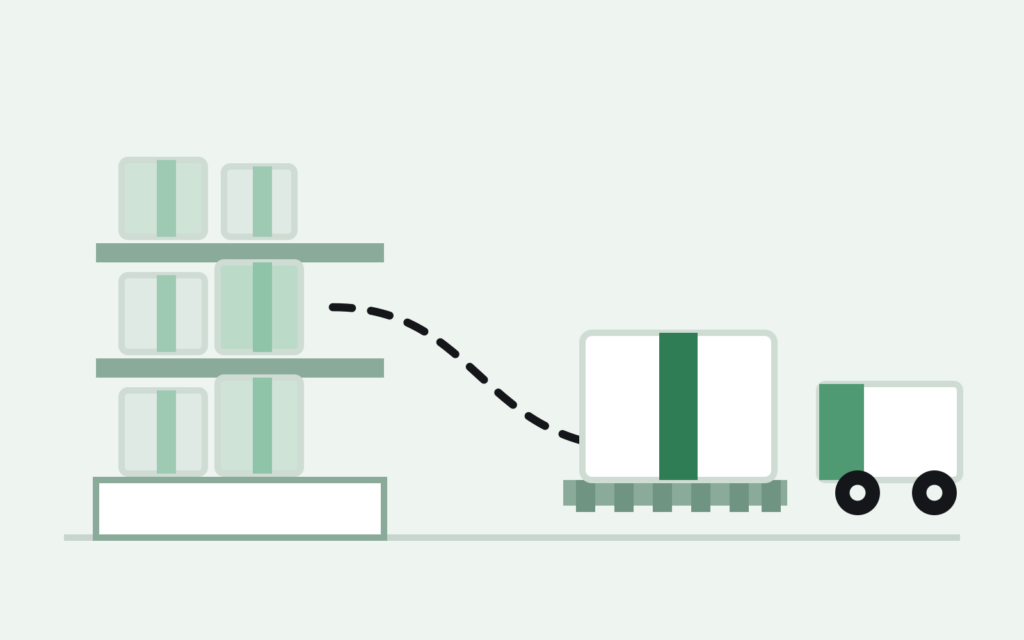
 by spencer k
You’ve got pallets of it sitting in a 3PL warehouse or stacked in a spare room: product that didn’t sell through the way you planned. Maybe a launch underperformed, a size run skewed wrong, or a seasonal SKU missed its window. Now it’s just there, tying up cash and racking up storage bills every month it sits. If you’re staring at Shopify overstock inventory and trying to figure out the least damaging way to clear it, you’re not the first DTC brand to hit this wall — and the options are narrower, and riskier, than most sellers realize until they’ve already made a mistake.
The tricky part isn’t finding a buyer. It’s finding one who won’t turn around and undercut the storefront you spent years building.
Where Shopify overstock inventory actually comes from
Most overstock isn’t a mystery once you look back at it. A reorder landed based on a forecast that didn’t hold up. A collaboration or seasonal drop didn’t sell through by the date it stopped being relevant. A size or color curve came in unbalanced, so you’re long on mediums and short on everything else. Sometimes it’s simpler than that — a supplier minimum forced you to buy more units than you actually needed to hit a per-unit price break.
None of that is a failure worth dwelling on. It’s a normal cost of running inventory-based retail. What matters now is what you do with the units sitting on the shelf, because every option has a different effect on your brand, not just your cash position.
Your options for moving Shopify overstock inventory
When a batch of SKUs stalls out, you’re generally choosing between a handful of paths:
- Discount it on your own site. Keeps you in control of the customer experience, but it trains your best customers to wait for a sale, and it can take months to clear real volume through your own traffic.
- Donate it for a tax write-off. Clean and fast, and worth asking your accountant about, but you recover nothing in cash and the deduction rarely matches what a sale would have brought in.
- List it on a public liquidation marketplace. Sites built for exactly this exist, and they can move volume, but your lot is visible to anyone browsing, including your own customers and wholesale accounts.
- Sell the whole lot to a bulk buyer. One transaction, one payout, and the inventory leaves your hands (and your channel) entirely. The tradeoff is you’re pricing the lot as a lot, not per unit.
For a small amount of dead stock, discounting on-site or donating is often enough. Once you’re looking at pallets rather than boxes, most brands end up weighing a public marketplace against a direct bulk sale — and that’s where the brand question actually matters.
The brand-protection problem nobody warns you about
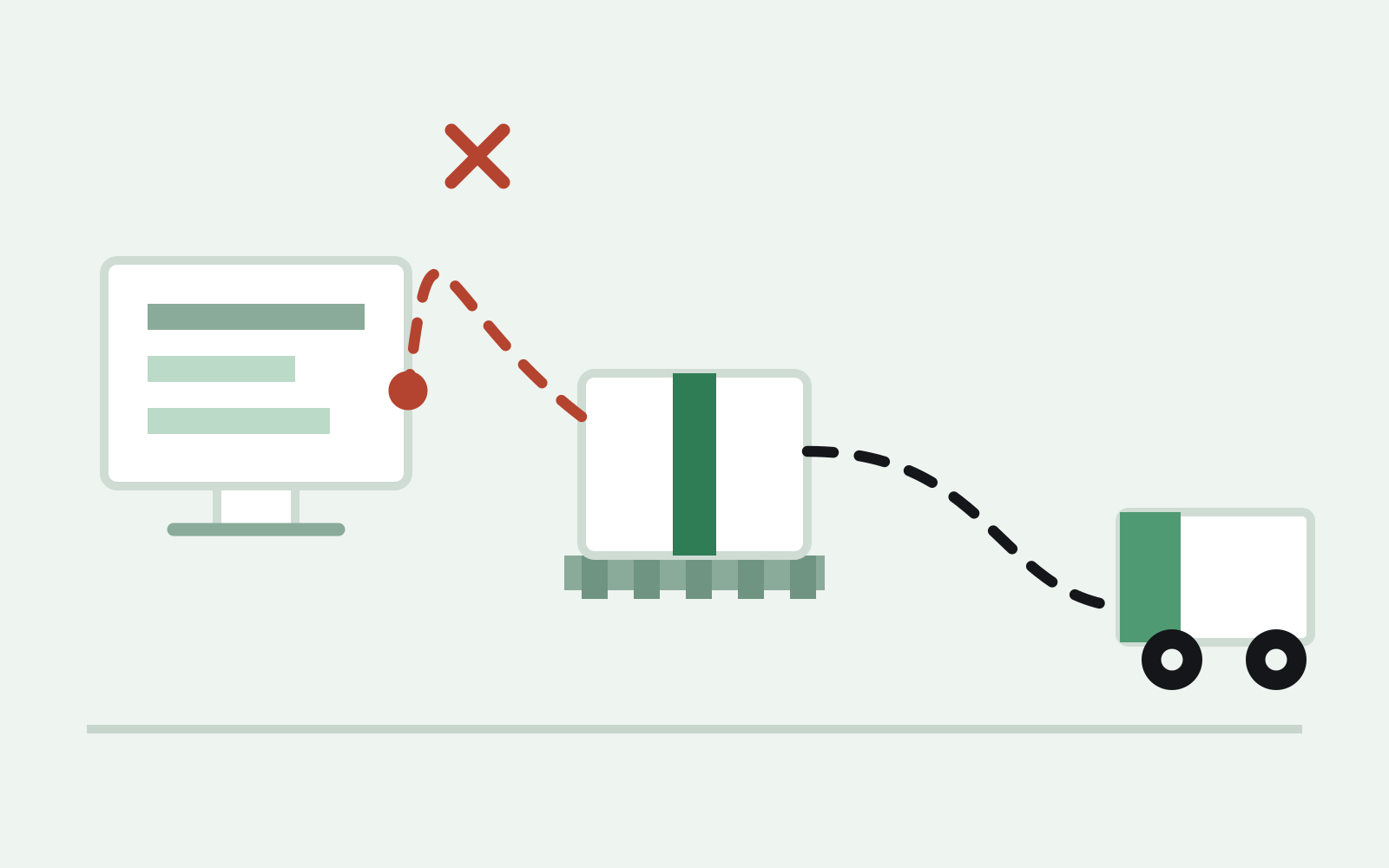
Here’s what tends to surprise first-time sellers: moving Shopify overstock inventory through the wrong channel doesn’t just get you a lower price. It can actively compete with your own store. Public liquidation listings are searchable, and units purchased there frequently resurface on marketplaces like eBay or Amazon at prices your full-price customers can find with one search. If you sell wholesale to boutiques or bigger retailers, those accounts notice too — and a partner who sees your product dumped at a fraction of MSRP has every reason to ask hard questions at the next reorder.
This is the same diversion risk we’ve written about for sellers choosing a liquidator: the buyer’s plan for the inventory after they pay you matters as much as the price they offer. A lot that resells at full transparency, in your own packaging, in a channel your customers browse, is worth less to your business than the same lot moved somewhere it won’t resurface next to your product listing.
The fix isn’t complicated, but it does mean asking questions before you accept an offer: where does this buyer typically resell inventory, do they remove or obscure branding where appropriate, and will they agree to geographic or channel restrictions in writing. A buyer who can’t answer those questions clearly is telling you something about how your product is going to end up online.
What a bulk buyer does differently
A buyer purchasing the full lot outright is solving a different problem than a public marketplace. Instead of listing your SKUs for anyone to bid on, they’re pricing the batch as inventory to move through their own channels — channels that are typically wholesale, export, or off-price, not the same search results your customers use to find you. You get one number, one payment, and the units are gone from your warehouse without you having to negotiate unit-by-unit or manage a public listing yourself.
It’s also faster. Discounting on-site can take a full season to clear meaningful volume. A direct sale can close in days once you’ve got a manifest together and a buyer has reviewed it.
Pricing the lot: what to actually expect
Recovery on overstock is never full retail, and any buyer who implies otherwise before seeing your manifest is guessing. What you actually get depends on the same handful of factors every time: how sellable the SKUs are (proven bestsellers price better than a curve mismatch), condition (unopened, retail-ready units outperform anything that’s been through a return cycle), and how complete your documentation is. A clean manifest with SKU, cost, and original retail price lets a buyer make a real offer fast instead of pricing in a discount for uncertainty.
We’ve covered this in more depth in how to raise your recovery rate when liquidating inventory, and most of that advice — organize by SKU, disclose condition honestly, don’t mix categories into one messy lot — applies just as much to Shopify overstock as it does to an Amazon removal.
If you want a real number instead of a guess, get an instant quote on the lot and see what it’s actually worth before you commit to a channel.
Frequently asked questions
Will liquidating overstock hurt my Shopify sales?
It can, if the units end up visible in a channel your customers browse at a steep discount. It generally won’t if you sell the lot outright to a buyer who moves inventory through separate wholesale or export channels rather than public listings.
How is selling overstock in bulk different from discounting it myself?
Discounting on your own site keeps control but takes time and can train customers to wait for sales. Selling the lot in bulk clears everything in one transaction, though you’re pricing per pallet rather than per unit.
Do I need a minimum quantity to sell Shopify overstock inventory in bulk?
Most bulk buyers are set up for pallet-level volume rather than a handful of units, so this route makes the most sense once you’re past a box or two of dead stock and into genuine excess.